
In today’s competitive business landscape, effective marketing is crucial for the success of plumbing businesses. With numerous plumbing marketing ideas vying for the attention of potential customers, implementing smart marketing strategies can help your business stand out, attract new clients, and ultimately boost your business’s success.
In this blog, we will explore 25 effective plumbing marketing strategies that can help you achieve these goals. From developing a strong brand identity to leveraging online platforms and implementing creative promotional techniques, these strategies cover a wide range of marketing avenues to help your plumbing business thrive.
Importance of Marketing for Plumbing Businesses
Marketing plays a vital role in the growth and success of plumbing businesses. It allows you to build brand awareness, attract potential customers, and differentiate yourself from competitors. Effective plumbing marketing strategies enable you to communicate your unique value proposition, showcase your expertise, and build trust with your target audience.
By implementing targeted marketing initiatives, you can generate leads, increase conversions, and foster long-term customer relationships. In an industry where referrals and reputation are crucial, marketing can help you stay top-of-mind among clients and position your plumbing business as the go-to choice for their plumbing needs.
25 Marketing Strategies to Grow Your Plumbing Business
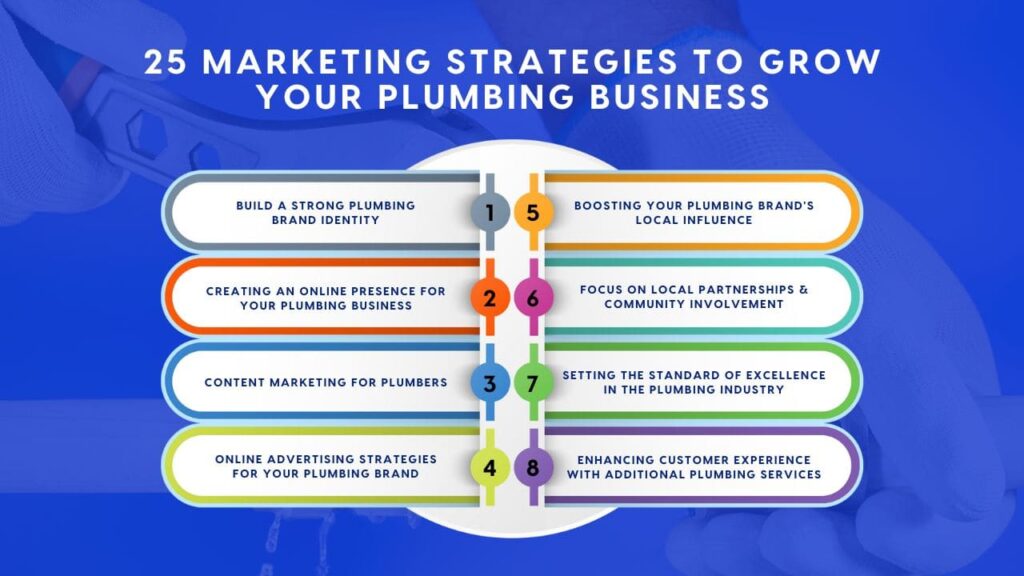
Build a Strong Plumbing Brand Identity
1. Define Target Audience & Goals
Conduct thorough market research to understand your target audience’s demographics, behavior, and preferences. Identify their pain points and challenges related to plumbing services. Set clear and specific goals for your plumbing marketing strategies, such as increasing brand awareness, generating leads, driving conversions, or expanding into new service areas.
2. Identify a Unique Selling Proposition
Analyze your competitors and identify what sets your plumbing business apart. Determine the unique value you offer to customers, whether it’s your expertise in a specific plumbing marketing strategy, exceptional customer service, or innovative solutions. Craft a compelling and concise unique selling proposition that clearly communicates this value to your target audience.
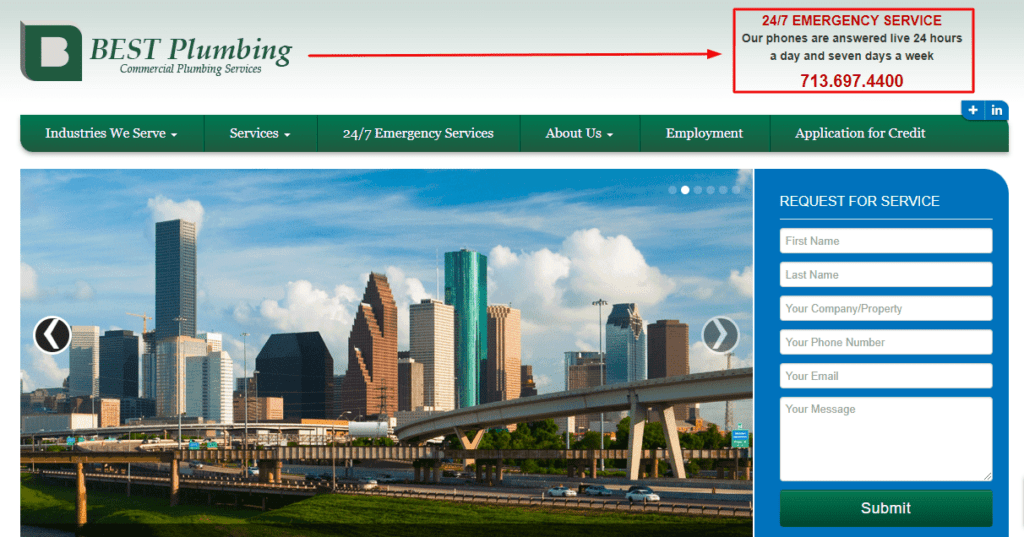
For example, in the above screenshot of a plumbing website, there is a clear USP that tells the visitors about the 24/7 emergency service. It represents the quick & all-time availability of their services for potential customers.
3. Create a Professional Logo & Tagline
Design a professional logo that reflects your brand’s identity and visually represents your plumbing business. Consider the colors, fonts, and imagery that align with your brand personality and resonate with your target audience. Develop a catchy and memorable tagline that encapsulates your unique selling proposition and leaves a lasting impression on potential customers.
Creating an Online Presence for Your Plumbing Business
4. Build a Professional Website
Invest in a well-designed and user-friendly website that showcases your plumbing services, service areas, contact information, and customer testimonials. Ensure that your website has clear navigation, fast loading times, and responsive design for optimal viewing on different devices. Use high-quality visuals, engaging content, and clear calls to action to encourage visitors to contact you or request a quote.
5. Utilize Local SEO Strategies
Optimize your website and online presence for local search engine optimization. Conduct keyword research to identify relevant local keywords and incorporate them naturally into your website’s content, meta tags, and URLs. Create location-specific landing pages that target different service areas you operate in. Consistently update and maintain your Google My Business profile with accurate information, photos, and customer reviews to enhance your visibility in local search results.
Read More: SEO For Plumbers: 9 Expert Tips To Improve Search Engine Rankings
6. Leverage Social Media Platforms
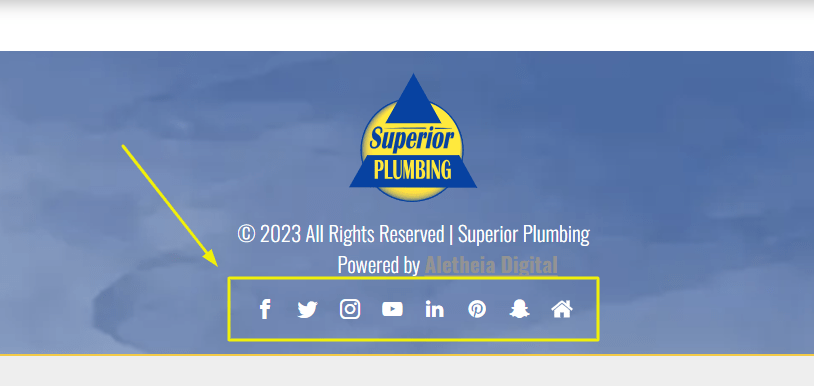
Choose social media platforms that align with your target audience’s demographics and preferences. Create compelling profiles and regularly share relevant content, such as plumbing tips, project highlights, industry news, and behind-the-scenes glimpses of your team at work. Engage with your followers, respond to comments and messages promptly, and use social media advertising to expand your reach and attract new customers.
For example, in the below screenshots, a plumbing business created its profiles on various social media platforms to convert its social media audience to its customers.
7. Use Customer Reviews & Testimonials
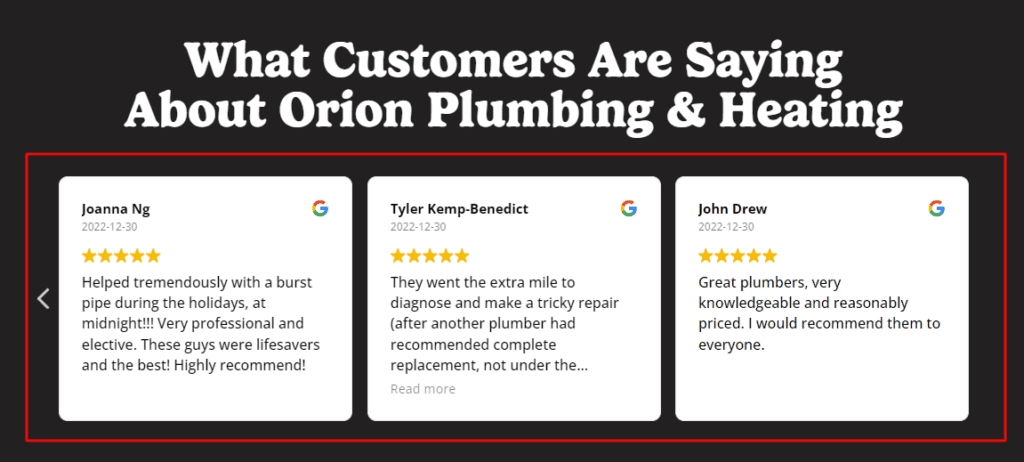
Encourage satisfied customers to leave reviews and testimonials on platforms like Google My Business, Yelp, Facebook, and specialized plumbing review websites. Positive reviews and testimonials act as social proof and help build trust and credibility for your plumbing marketing ideas. Monitor and respond to reviews, thanking customers for their feedback and addressing any concerns or issues. Showcase selected testimonials on your website to reinforce your reputation.
Content Marketing for Plumbers
8. Create Informative Blog Posts
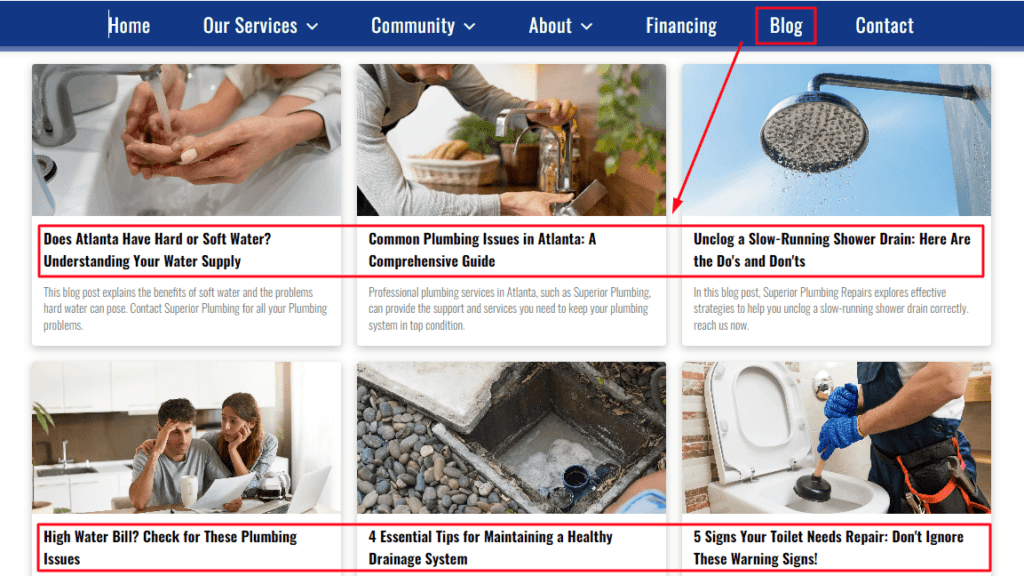
Develop a blog on your website and consistently publish informative and valuable blog posts related to plumbing topics. Research and address common plumbing issues, provide step-by-step guides for simple plumbing tasks, offer maintenance tips, and share insights into industry trends. Optimize your blog posts with relevant keywords to improve search engine visibility and attract organic traffic.
9. Produce Engaging Videos
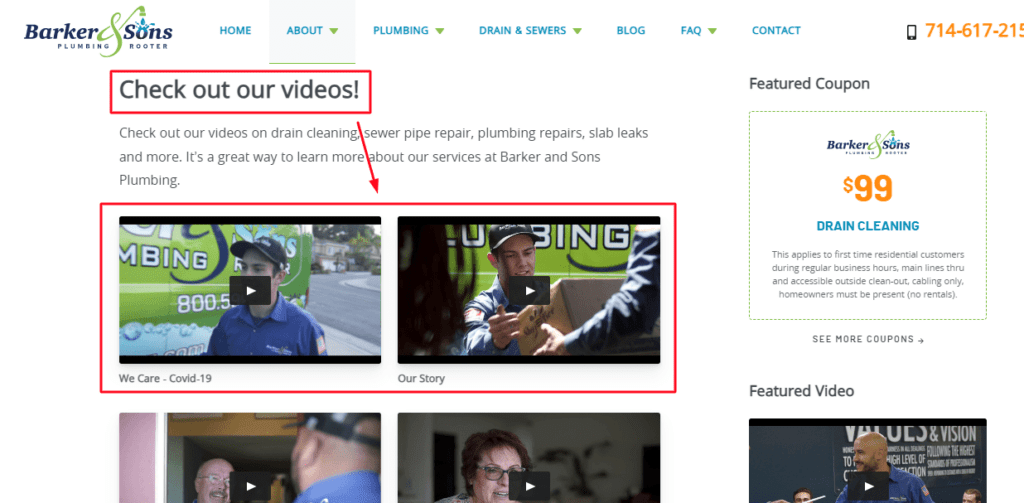
Capitalize on the power of video marketing to engage and educate your audience. Create high-quality videos that showcase your expertise, demonstrate plumbing techniques, and offer solutions to common plumbing problems. Consider creating video tutorials, project walkthroughs, or customer testimonials. Share your videos on your website, social media channels, YouTube, and other video platforms to increase brand visibility and engagement.
10. Develop Email Marketing Campaigns
Build an email list by encouraging website visitors, social media followers, and customers to subscribe to your newsletters. Develop segmented email marketing campaigns to deliver personalized content to different groups of subscribers based on their interests, preferences, and stages in the customer journey. Use email automation to send targeted messages, promotions, special offers, and helpful plumbing tips that nurture relationships and drive conversions.
11. Create Appealing Infographics
Infographics are highly shareable and visually appealing tools for conveying complex information in a simplified format. Design infographics that provide plumbing-related statistics, DIY tips, or guides to help homeowners understand common plumbing issues. Use eye-catching visuals, concise text, and an organized layout to make the information easily digestible and shareable on social media platforms and your website.
Online Advertising Strategies for Your Plumbing Brand
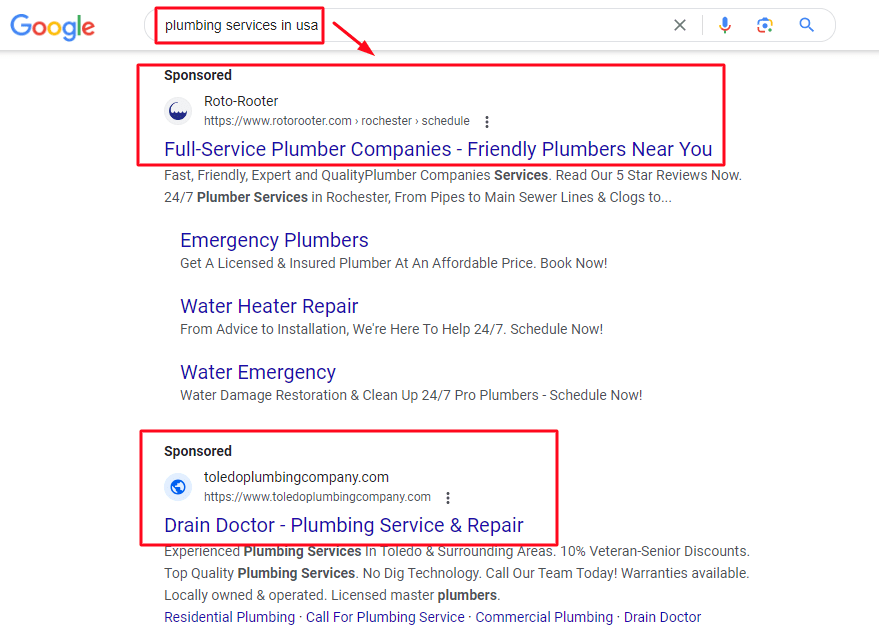
12. Use PPC Advertising
Implement pay-per-click (PPC) advertising campaigns on search engines like Google and Bing. Conduct keyword research to identify relevant plumbing-related keywords with high search volume and low competition. Create compelling ad copy and landing pages that drive users to take specific actions, such as requesting a quote or scheduling a service. Set a budget and monitor the performance of your PPC campaigns to optimize for maximum return on investment (ROI).
13. Implement Display Advertising
Place targeted display ads on relevant websites and platforms to increase brand visibility and reach a wider audience. Use banner ads, text ads, or interactive media formats to capture the attention of potential customers browsing websites related to home improvement, renovation, or local news. Leverage advanced targeting options to reach specific demographics, interests, or locations.
14. Invest in Social Media Ads
Leverage the targeting capabilities of social media advertising platforms such as Facebook ads, Instagram ads, and LinkedIn ads. Develop visually appealing ad creatives and compelling ad copy that align with your target audience’s preferences and interests. Use demographic targeting, interest-based targeting, and retargeting options to maximize the impact of your social media ad campaigns.
Boosting Your Plumbing Brand’s Local Influence
15. Claim and Optimize Google My Business Listing
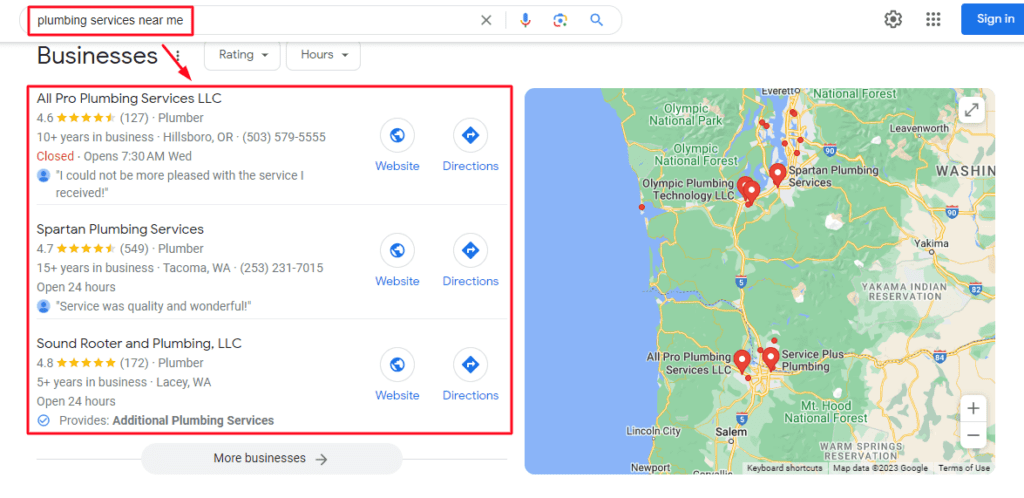
Claim and verify your Google My Business (GMB) listing to appear in local search results, Google Maps, and Google’s Local Pack. Ensure that your listing includes accurate contact information, business hours, service areas, and relevant categories. Encourage customers to leave reviews on your GMB profile and respond to them promptly to demonstrate your engagement with customers.
16. Utilize Local SEO Techniques
Enhance your local search engine optimization efforts by optimizing your website with location-specific keywords, meta tags, and schema markup. Create location-specific landing pages that highlight your services in different cities or regions you serve. Generate backlinks from local directories, home services websites, or the local chamber of commerce websites to improve your local search rankings.
17. Launch Targeted PPC Campaigns
Develop targeted PPC campaigns that focus on specific service areas or neighborhoods within your target market. Use location-based keywords in your ad copy and target specific geographic areas to ensure your ads are shown to the right audience. Craft landing pages that are tailored to each location, highlighting testimonials or case studies from customers in that area.
Focus on Local Partnerships & Community Involvement
18. Collaborate with Local Businesses
Establish partnerships with complementary local businesses, such as home improvement stores, contractors, or real estate agencies. Explore opportunities for cross-promotion, joint advertising, or referral programs. By collaborating with local businesses, you can expand your reach, tap into their existing customer base, and benefit from mutually beneficial plumbing marketing ideas.
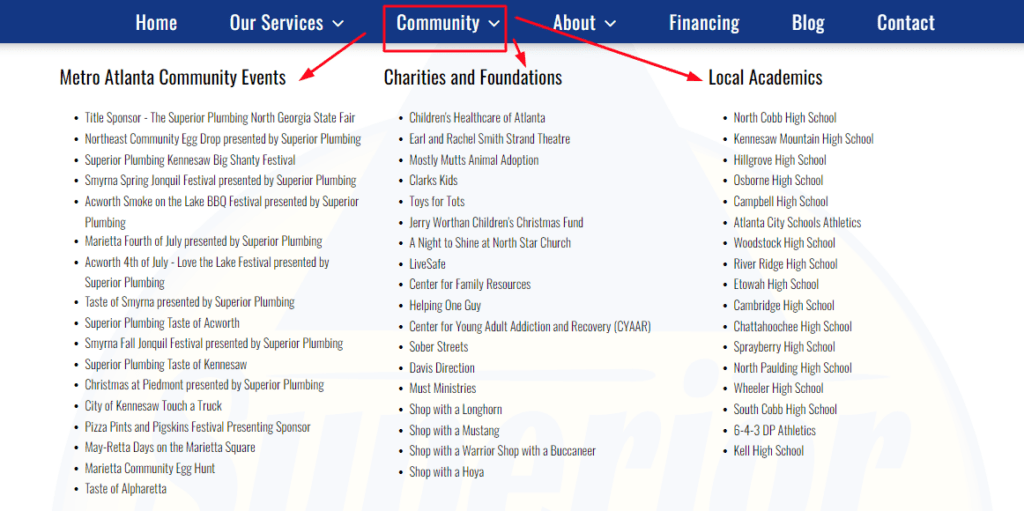
19. Sponsor Events & Charities
Support local events or charities that align with your brand values and target audience. Sponsorship provides visibility and demonstrates your commitment to the community. Consider sponsoring charity runs, home improvement expos, or local sports teams. Sponsorship can generate positive brand associations, create goodwill, and attract potential customers who appreciate businesses that give back to their community.
20. Attend Trade Shows & Networking Events
Participate in trade shows, home expos, or networking events within the plumbing and home improvement industry. Set up a booth or display that showcases your services, expertise, and portfolio. Engage with attendees, exchange business cards, and establish relationships with other professionals in the industry. Trade shows and networking events provide valuable referrals, collaborations, and knowledge-sharing opportunities.
Setting the Standard of Excellence in the Plumbing Industry
21. Prioritize Exceptional Service
Deliver exceptional customer service consistently. Train your team to be knowledgeable, professional, and courteous. Respond promptly to inquiries, provide transparent communication, and ensure customer satisfaction throughout the entire service process. Strive to exceed customer expectations and go the extra mile to resolve any issues or concerns. Exceptional service leads to positive word-of-mouth referrals and customer loyalty.
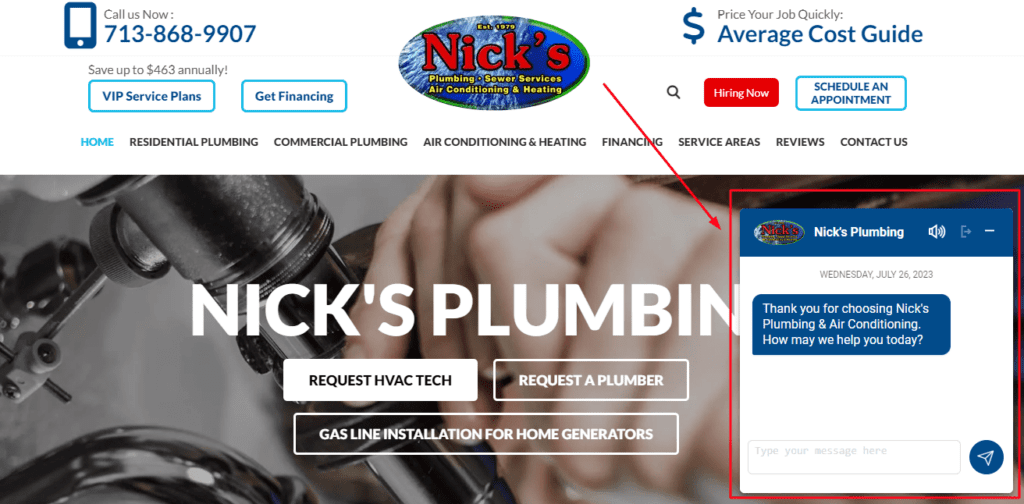
22. Implement Live Chat or Chatbot
Enhance your website’s customer service capabilities by implementing live chat or a chatbot. Live chat allows visitors to ask questions and receive immediate assistance from a customer service representative. Chatbots use artificial intelligence to provide automated responses and support. These tools can assist visitors with common inquiries, provide information about your services, and help guide potential customers through the decision-making process.
Enhancing Customer Experience with Additional Plumbing Services
23. Implement Referral Programs
Encourage satisfied customers to refer your plumbing services to their friends, family, and colleagues. Implement a referral program that incentivizes successful referrals with rewards, discounts, or exclusive offers. Offer incentives to both the referrer and the referred customer, such as a discount on future services or a gift card. Word-of-mouth referrals are powerful in the plumbing industry and can significantly contribute to your business growth.
24. Offer Free Consultations & Discounts
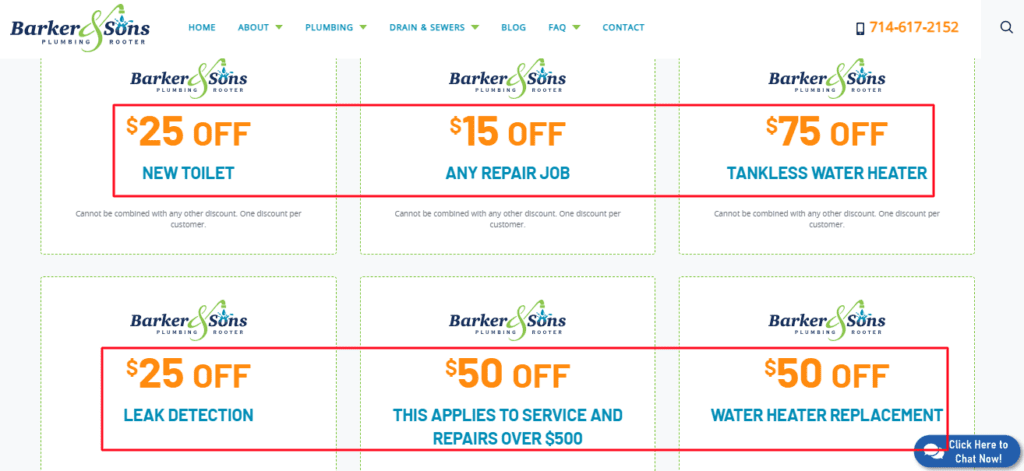
Attract potential customers by offering free consultations or discounts for first-time customers. This lowers the barrier to entry and encourages people to try your services. During the consultation, provide expert advice, assess their plumbing needs, and offer tailored solutions. Use this opportunity to demonstrate your expertise, build trust, and showcase the value of your services. Consider providing exclusive discounts for specific services or seasonal promotions to entice new customers.
25. Provide Educational Workshops
Host educational workshops or webinars for homeowners on plumbing-related topics. Offer valuable insights, tips, and DIY maintenance tutorials. These workshops position your plumbing business as a trusted authority and create opportunities to engage with potential customers. Share your expertise, address common concerns, and provide educational resources that empower homeowners to care for their plumbing needs. Consider partnering with local community centers, home improvement stores, or real estate agencies to host these workshops and reach a wider audience.
Let’s Begin to Implement All These Plumbing Marketing Ideas with ROI Minds

Implementing effective plumbing marketing strategies can be complex, especially when you’re focused on running your plumbing business. That’s where ROI Minds comes in. As a trusted marketing agency with expertise in the plumbing industry, we can help you navigate the world of digital marketing and implement these plumbing marketing ideas seamlessly. Our team of skilled professionals understands plumbing businesses’ unique challenges and opportunities.
When you partner with ROI Minds, we’ll begin by comprehensively analyzing your current marketing efforts and understanding your business goals. We’ll work closely with you to develop a customized plumbing marketing strategy incorporating these 25 ideas tailored specifically to your plumbing business. Our team will implement these strategies, ensuring they align with your brand identity and resonate with your target audience.
We bring a wealth of experience and knowledge in plumbing marketing ideas, allowing us to optimize your online presence, create compelling content, run targeted advertising campaigns, and measure the results effectively. With ROI Minds by your side, you can focus on what you do best – providing top-notch plumbing services – while we handle the intricacies of marketing your business.
Related Article
Best Way to Get Plumbing Leads in New York, Texas in 2023
Conclusion
Implementing effective plumbing marketing strategies is essential for plumbing businesses to thrive in today’s competitive landscape. By developing a strong brand identity, establishing an online presence, implementing content marketing, maximizing online advertising, building a strong local presence, fostering partnerships, offering excellent customer service, and providing additional value to customers, you can elevate your plumbing business and drive success.
ROI Minds is here to support you on this journey. Our team of experts understands the nuances of the plumbing industry and knows what it takes to stand out in the market. We’ll work closely with you to develop and implement customized plumbing marketing ideas that align with your business goals and resonate with your target audience.
With ROI Minds as your partner, you can leverage our expertise, industry knowledge, and proven strategies to boost your plumbing business’s visibility, attract new customers, and drive business growth. Contact ROI Minds today to take your plumbing marketing strategies to the next level and achieve long-term success.
The time it takes to see results may vary based on various factors, including your local market, competition, and marketing strategies. However, with consistent and targeted efforts, you can begin to see noticeable improvements in your plumbing business’s visibility and growth within a few months.
It is not necessary to implement all strategies simultaneously. Start by focusing on a few strategies that align with your business goals and resources. Once you establish a strong foundation, gradually incorporate additional strategies to expand your reach and diversify your marketing efforts.
The marketing budget for your plumbing business depends on various factors, including your goals, target market, and competition. It is recommended to allocate a percentage of your revenue towards marketing, typically ranging from 5% to 10%. However, consulting with a marketing professional can help you determine an appropriate budget based on your specific circumstances.
While it is possible to handle some marketing aspects independently, partnering with a specialized marketing agency like ROI Minds can provide you with expertise, industry insights, and access to tools that can maximize your marketing efforts and drive better results. Professional assistance can save you time, and effort and help you achieve a higher return on investment.
Tracking the success of your marketing campaigns is crucial. Utilize tools like Google Analytics to monitor website traffic, conversion rates, and user behavior. Set up conversion tracking and use unique phone numbers or dedicated landing pages for specific campaigns. Additionally, tracking customer inquiries and conversions generated from each marketing channel can provide insights into the effectiveness of your campaigns.
In today’s digital age, digital marketing plays a significant role in reaching and engaging with potential customers. However, depending on your target market and specific circumstances, a combination of both traditional and digital marketing approaches may be beneficial. Understanding your target audience’s preferences and behavior is essential to determine the most effective marketing mix for your plumbing business.
Absolutely. Content marketing effectively educates and engages your target audience, establishes your expertise, and builds trust. By providing valuable and informative content related to plumbing tips, maintenance, and industry insights, you position your business as a trusted authority and attract potential customers who seek reliable information and solutions.
Regularly updating your website with fresh content and keeping your social media platforms active is important for maintaining engagement with your audience. Aim for consistency and quality over quantity. Develop a content schedule that aligns with your resources and audience preferences, ensuring that you provide valuable and relevant information to your customers.
Yes, a strong brand identity sets your plumbing business apart from competitors and creates a lasting impression on customers. A well-defined brand with a unique selling proposition, professional logo, and consistent messaging helps build trust, credibility, and recognition in the minds of your target audience.
To evaluate your marketing efforts’ return on investment (ROI), measure the revenue generated from your marketing campaigns and compare it to the cost incurred. Calculating metrics like customer acquisition cost (CAC), customer lifetime value (CLTV), and return on ad spend (ROAS) can provide insights into the effectiveness and profitability of your marketing initiatives.
About Author